Home

About

Services

Design

Rates

Contact

Blog

Book your stay in the hills

(When clarity needs quiet.)

Burnout doesn’t always look like exhaustion. 🤯
Sometimes it looks like fog.

Busy days. Restless nights. Decisions that feel heavier than they should. That’s often when people come to the Hills alone — not to escape work, but to remember why they do it.

Quiet Creates Space for Thinking

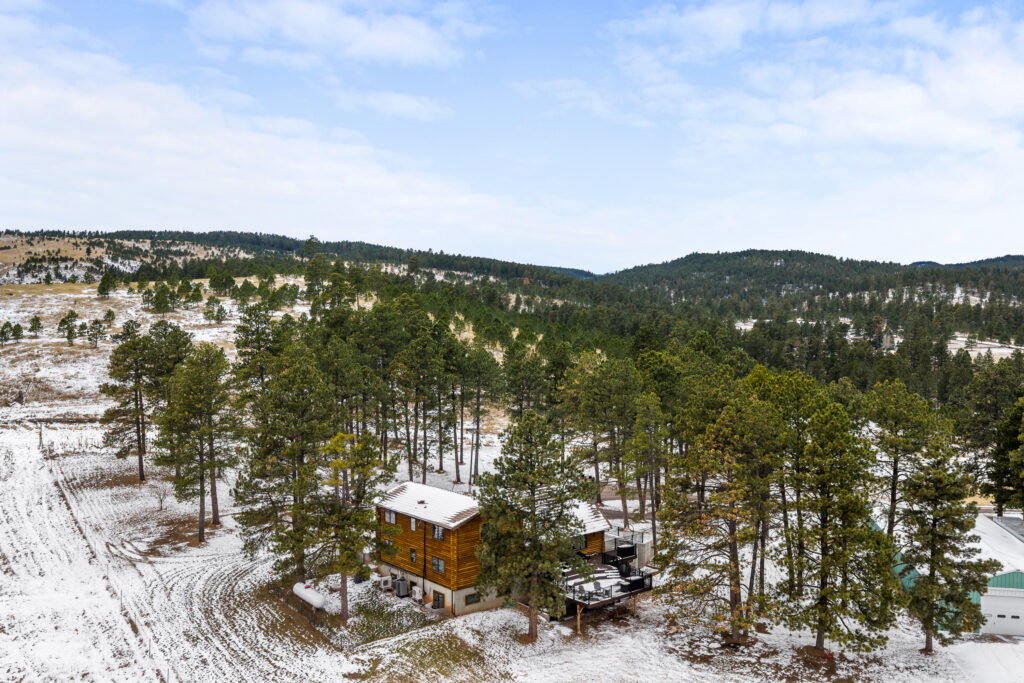
The Black Hills don’t compete for your attention. They give it room!

Snow softens sound. Cabins remove noise. And without constant input, your own thoughts finally have space to land.

Clarity usually follows stillness — not pressure.

Pick a Space That Supports Reflection

A good solo retreat cabin doesn’t overwhelm.

It offers:
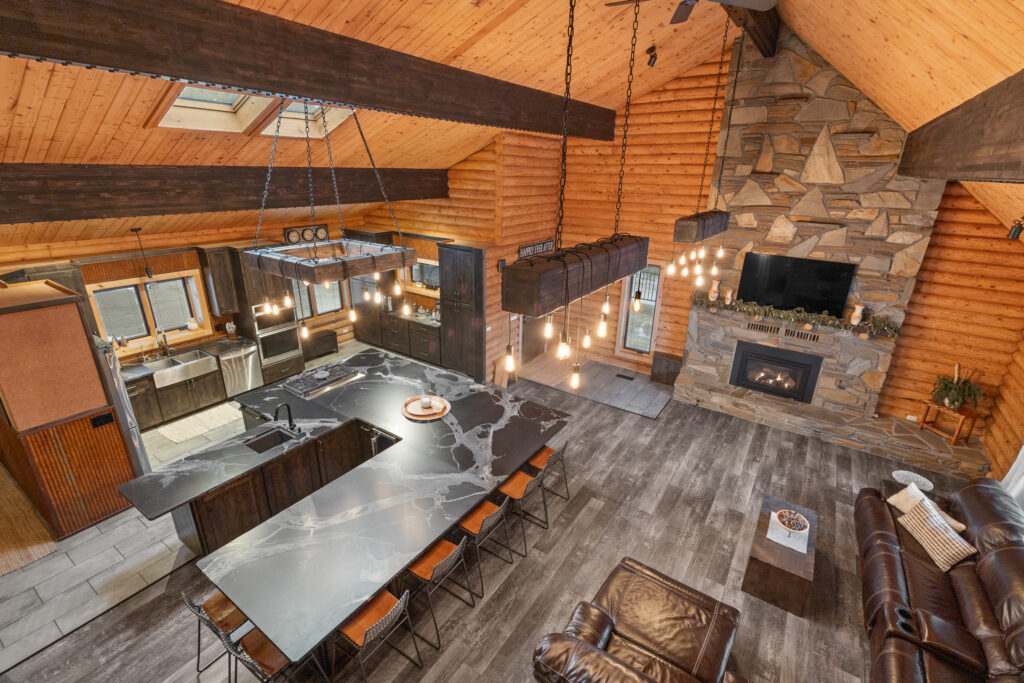
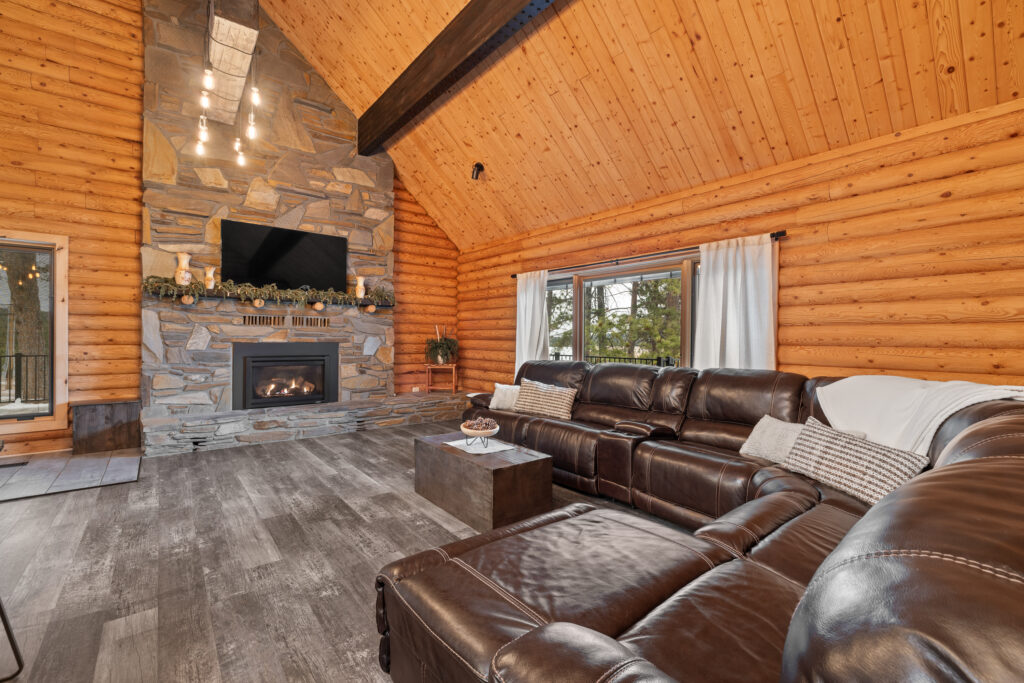
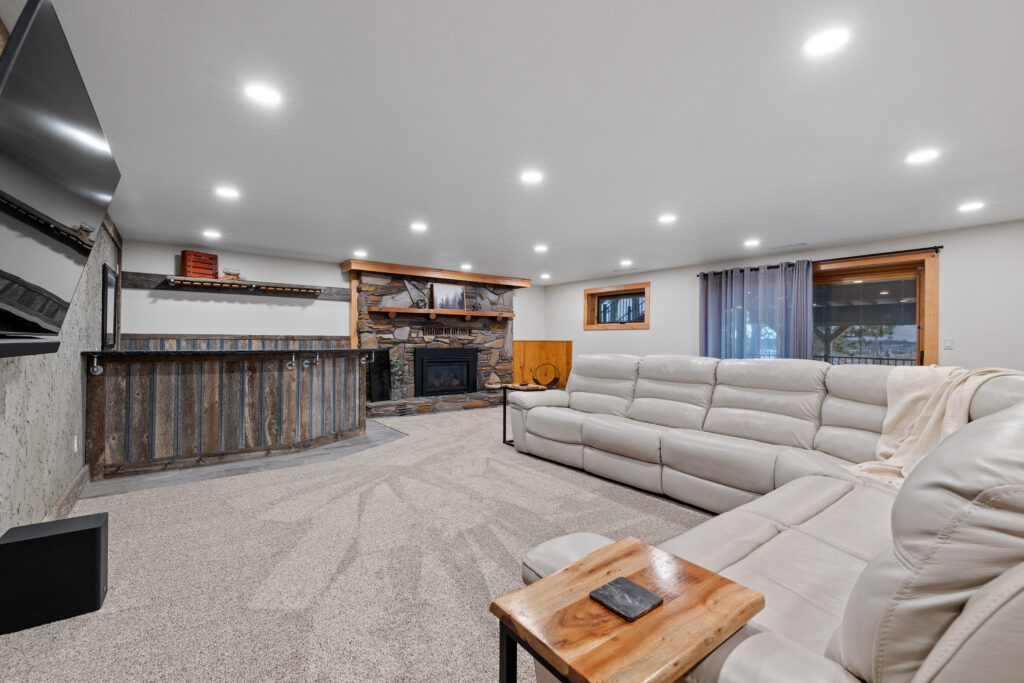
🌲 Natural light and big windows
🌲 A warm place to sit and think
🌲 Reliable Wi-Fi if you need it
🌲 Enough privacy to actually unplug

Comfort matters when your goal is mental clarity.

Bring Less Than You Think

You don’t need much:
📝 A notebook
☕ Your favorite coffee or tea
👗 Comfortable clothes
🥾 Walking shoes
📚 One good book

Leave the rest behind — especially the urge to be productive.

Let the Reset Happen Naturally

Most solo resets don’t follow schedules.

They include:
Time outside
Light journaling or reflection
Rest without guilt
Thinking without forcing answers

The point isn’t to solve everything. It’s to hear yourself again.

What People Say After

“I didn’t realize how cluttered my head felt.”
“I finally thought clearly.”
“I came back lighter.”

That’s the reset working.

If your mind feels full and your direction feels fuzzy, a quiet winter cabin might be exactly what you need.

Comments +

Leave a Reply

Your email address will not be published. Required fields are marked *

(Yes, better than summer.)

Summer offsites get all the attention. February gets the work done.

It’s quieter. More flexible. Less performative.
And for teams that need clarity, it’s often the better choice.

The Quiet Advantage of Winter

February doesn’t compete for attention, and that’s exactly why it works. While summer offsites often come with crowds, tight availability, and higher costs, winter in the Black Hills offers breathing room.

Fewer travelers, quieter roads, and a slower pace make it easier for teams to step away from daily noise and focus on what actually matters.

For many teams, February ends up being the most productive time to reset — precisely because it’s less busy.

Cabins Change How Teams Connect

Cabin-based offsites feel different the moment you arrive.

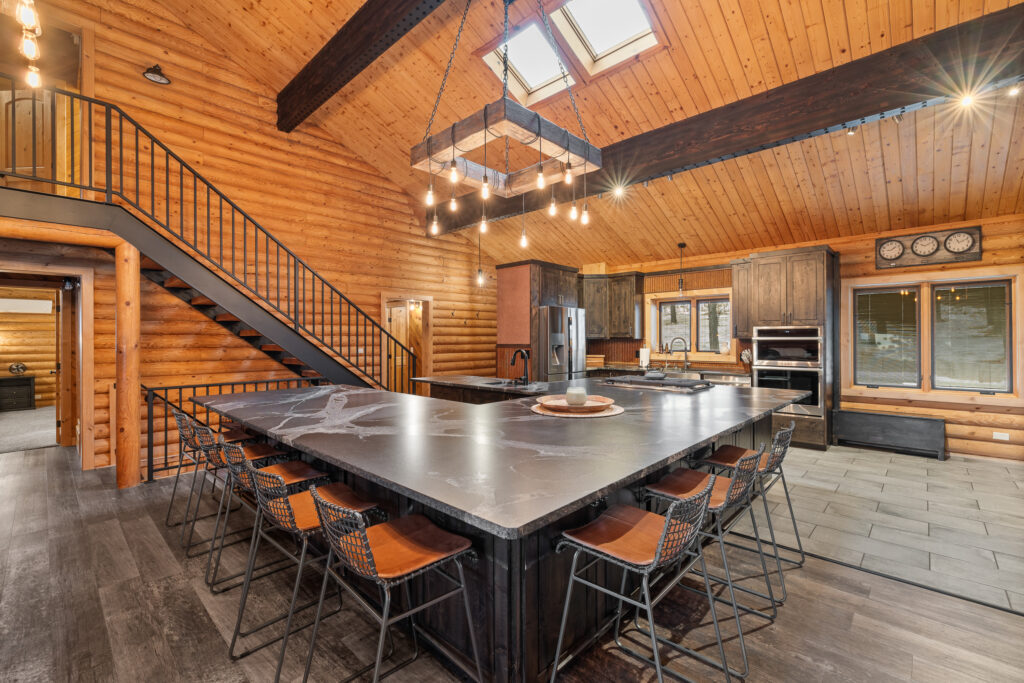
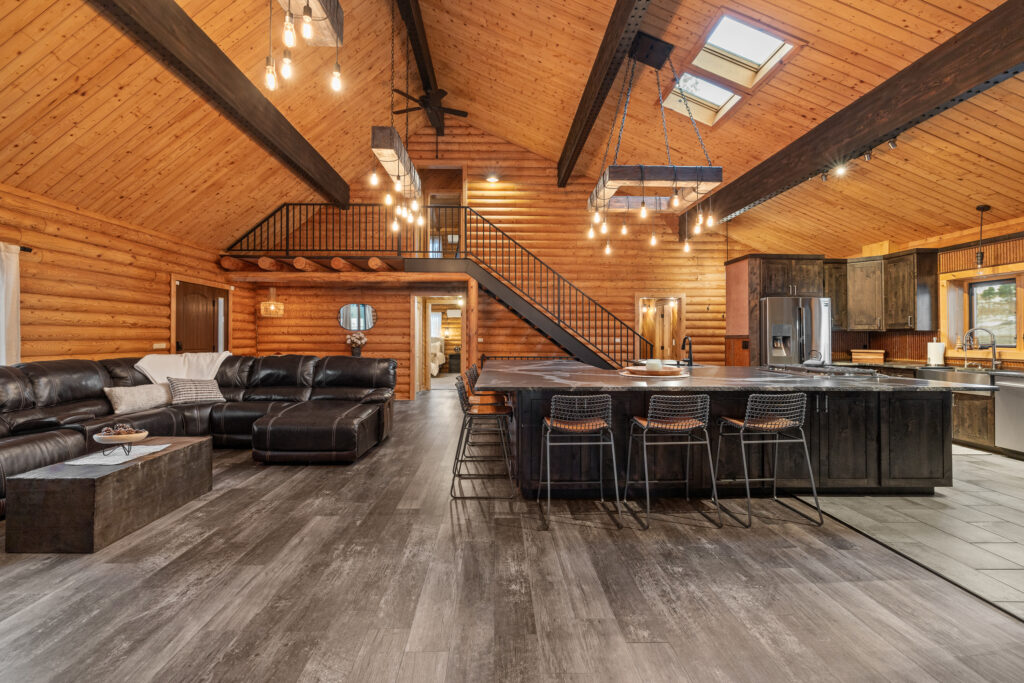
There’s no conference room formality, no rigid seating, no constant sense of being “on.” Instead, teams gather around kitchen tables, share meals, and spend time in comfortable, natural spaces. That environment lowers barriers quickly. Conversations feel more open. Ideas move more freely.

And collaboration becomes less about roles and more about people.

Why Downtime Isn’t Wasted Time

Some of the most meaningful offsite moments don’t happen during planned sessions.

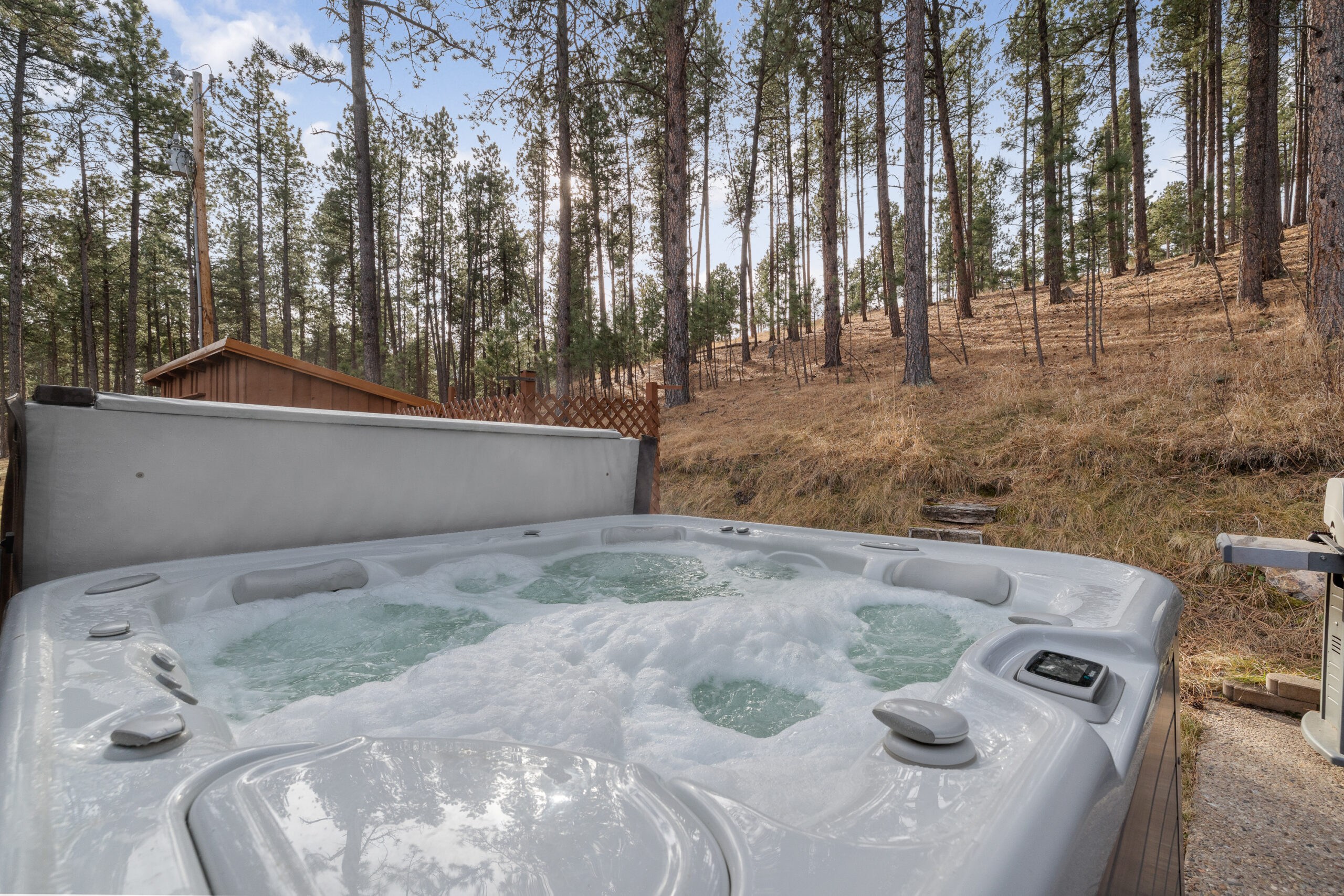
They happen on short walks, over morning coffee, or during relaxed evenings by the fire or in the hot tub. These moments allow teams to reconnect as humans, not just coworkers.

When people aren’t rushed, trust builds naturally — and that trust often leads to clearer decisions and stronger alignment.

Keep It Simple on Purpose

The most successful February offsites don’t try to do too much.

They set clear intentions, choose a cabin with comfortable communal space, and balance focused work with time to rest. Wi-Fi is available when needed, but not dominant.

The setting supports the work instead of competing with it, and teams leave feeling clearer rather than drained.

If your team needs clarity, cohesion, and space to think without pressure, February in the Black Hills may be the smartest time to step away together.

READ MORE

Let’s be honest — “retreat” gets thrown around a lot.

A real retreat isn’t about productivity or perfectly planned days.
It’s about creating the conditions where rest and clarity can happen naturally.

Winter makes that easier — if you plan with intention.

Start With Intention, Not a Schedule

Most winter retreats go wrong before they even begin — not because of the cabin or the weather, but because they’re planned like a to-do list. A meaningful retreat starts with a much simpler question: what do I actually need right now? Rest, reconnection, clarity, or quiet all lead to very different experiences.

Winter in the Black Hills naturally supports slowing down, but only if you give yourself permission to stop chasing productivity while you’re there.

Let the Space Do Some of the Work

In winter, the cabin matters more than the destination. The right space should feel welcoming the moment you arrive — warm, comfortable, and easy to settle into.

Fireplaces, hot tubs, and full kitchens aren’t luxuries here; they’re part of what makes staying in feel good. Snow-ready access and a sense of privacy remove unnecessary stress, allowing you to relax without feeling cut off.

When the space works with the season, rest happens without effort. 😌

Give the Days Room to Breathe

The most restorative winter retreats are intentionally unstructured. Slow mornings with coffee. Simple meals that don’t require planning.

Quiet evenings by the fire or soaking in the hot tub while snow falls around you. These aren’t gaps in the schedule — they are the retreat. Most guests find that two to four nights is the sweet spot, offering enough time to unwind without the pressure of filling every hour.

Prepare Lightly, Then Let Go

A little preparation helps you arrive with a clear head. Warm layers, something comfortable to read or write with, and taking care of reservations ahead of time can remove friction.

After that, the best thing you can do is step back and let the experience unfold naturally.

Winter retreats aren’t about controlling the outcome — they’re about creating space and trusting what shows up.

If winter has you craving calm instead of chaos, a thoughtfully planned retreat in the Black Hills can offer exactly that — without asking anything from you in return.

READ MORE

(When clarity needs quiet.)

Burnout doesn’t always look like exhaustion. 🤯
Sometimes it looks like fog.

Busy days. Restless nights. Decisions that feel heavier than they should. That’s often when people come to the Hills alone — not to escape work, but to remember why they do it.

Quiet Creates Space for Thinking

The Black Hills don’t compete for your attention. They give it room!

Snow softens sound. Cabins remove noise. And without constant input, your own thoughts finally have space to land.

Clarity usually follows stillness — not pressure.

Pick a Space That Supports Reflection

A good solo retreat cabin doesn’t overwhelm.

It offers:
🌲 Natural light and big windows
🌲 A warm place to sit and think
🌲 Reliable Wi-Fi if you need it
🌲 Enough privacy to actually unplug

Comfort matters when your goal is mental clarity.

Bring Less Than You Think

You don’t need much:
📝 A notebook
☕ Your favorite coffee or tea
👗 Comfortable clothes
🥾 Walking shoes
📚 One good book

Leave the rest behind — especially the urge to be productive.

Let the Reset Happen Naturally

Most solo resets don’t follow schedules.

They include:
Time outside
Light journaling or reflection
Rest without guilt
Thinking without forcing answers

The point isn’t to solve everything. It’s to hear yourself again.

What People Say After

“I didn’t realize how cluttered my head felt.”
“I finally thought clearly.”
“I came back lighter.”

That’s the reset working.

If your mind feels full and your direction feels fuzzy, a quiet winter cabin might be exactly what you need.

READ MORE

The latest posts..